What the dairy sells you, and what a tour adds
The visit and the ride are two separate purchases. A tour bundles them; booking direct means you buy only the first and sort out the second yourself.
Booked direct, €15–35
- A guided visit of 45 minutes to 2 hours, depending on the dairy
- The production room, if you arrive while the cheese is being made
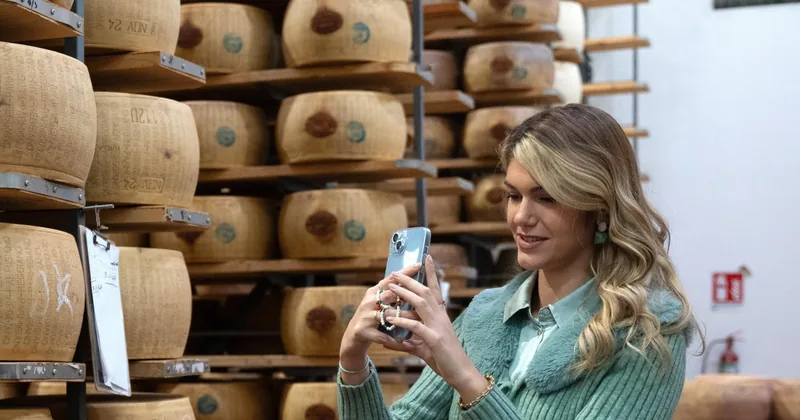
- The brining room and the aging warehouse, at any hour
- A tasting: at Ugolotti it is 12, 24 and 36 months
- The dairy shop, the spaccio, where you can buy the cheese
What a tour adds on top
- Pickup and drop-off on the €135 Parma tour, and a transfer on the €198 Bologna tour. The €44 farm tour excludes it
- A Parma ham producer on the cheese-and-ham tours
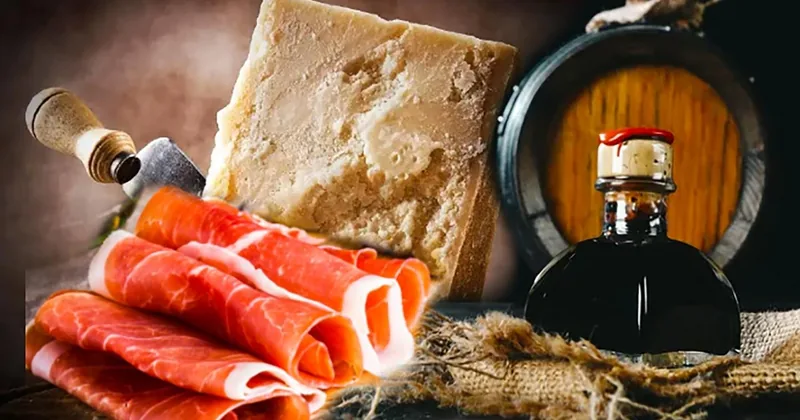
- A balsamic vinegar stop on the €140 and €183 tours
- Someone else doing the booking and the timing
- Nothing inside the dairy that the dairy would not sell you direct
A dairy morning, in the order it happens
What you see if you are there early enough, one step at a time.
The cheese is made once a day, in the morning, and the rules require the curd work to be done by the end of the morning. Everything below the extraction you can still see later in the day. Everything above it you cannot.
- The milk arrives — The evening milk and the morning milk, delivered raw within two hours of milking. No heat treatment. Silage is banned from the cows’ feed.
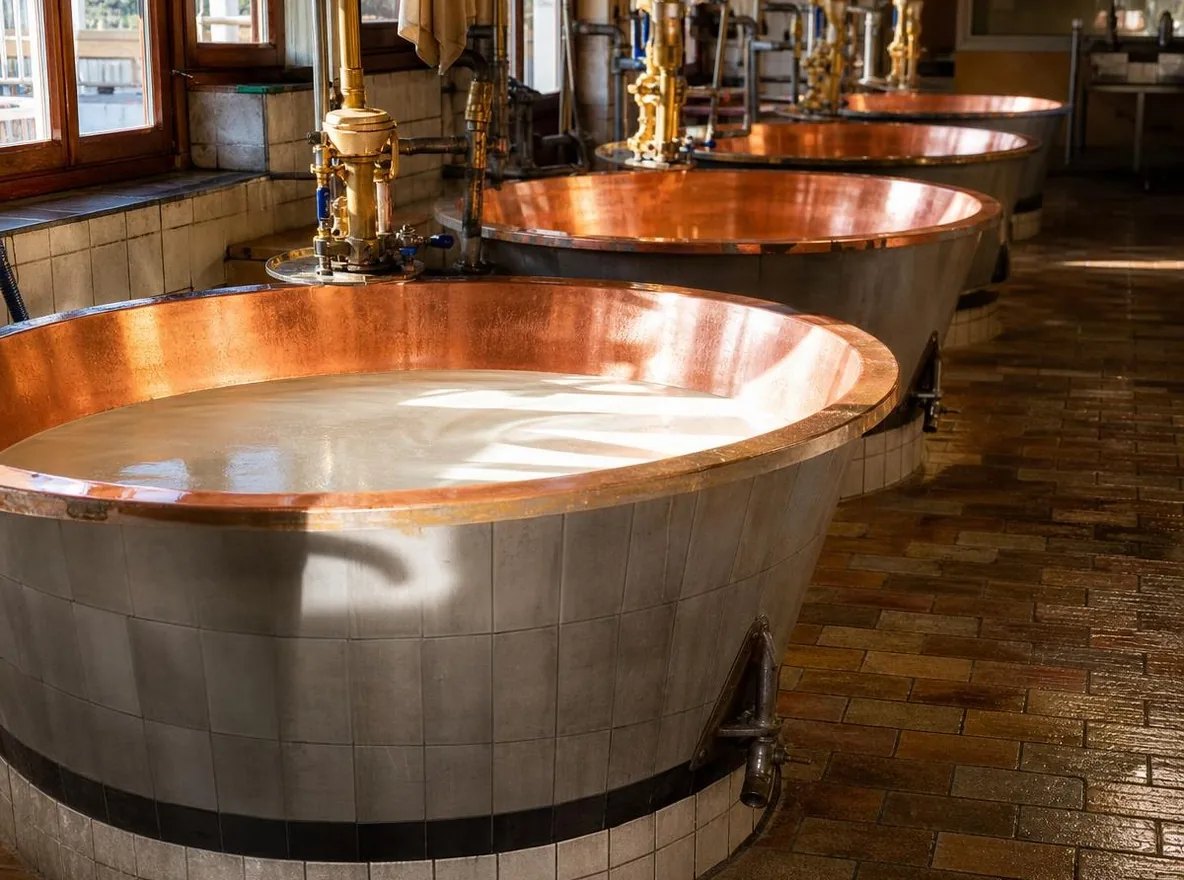
- The copper vats — Each vat is used once a day. In goes the milk with a natural whey starter from the day before and calf rennet, which is why the cheese is not vegetarian.
- The curd — Coagulation, then the curd is broken into small grains, cooked and left to settle at the bottom of the vat.
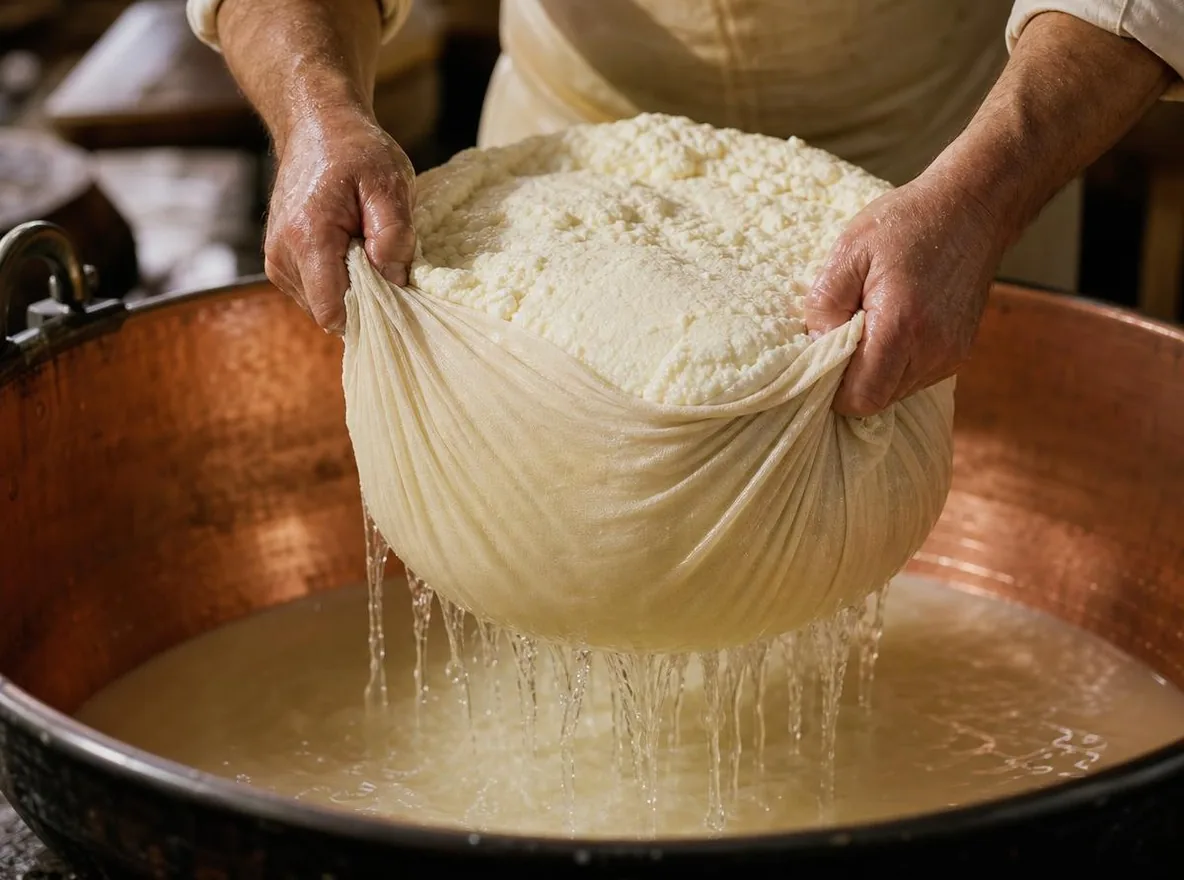
- The extraction — Cheesemakers lift the mass out of the vat in linen cloths, cut it in two and put each half into a mould. This is the moment people come for, and it happens early.
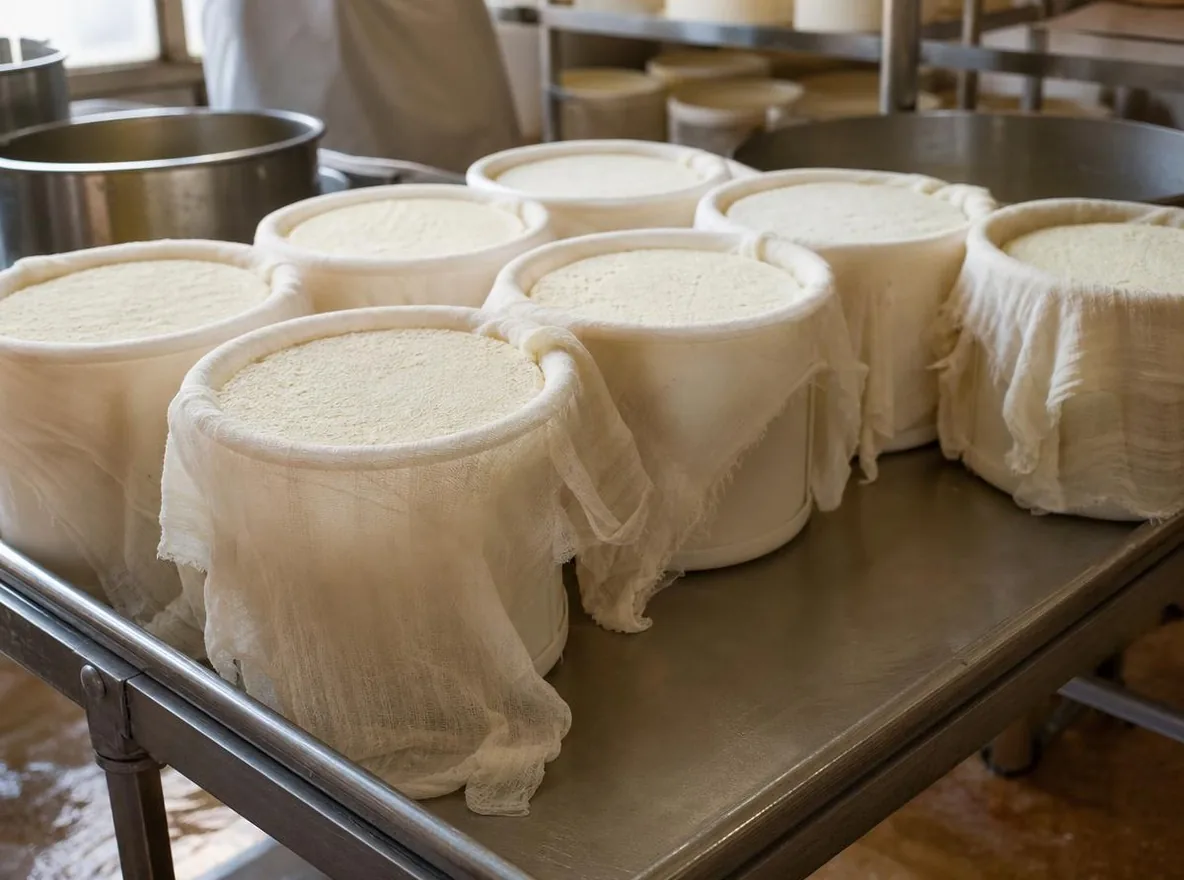
- The moulds — Each half becomes a wheel of at least 30 kg. The Consorzio gives two figures for the milk behind it: 550 litres in its glossary, about 520 in its 2019 guidelines.
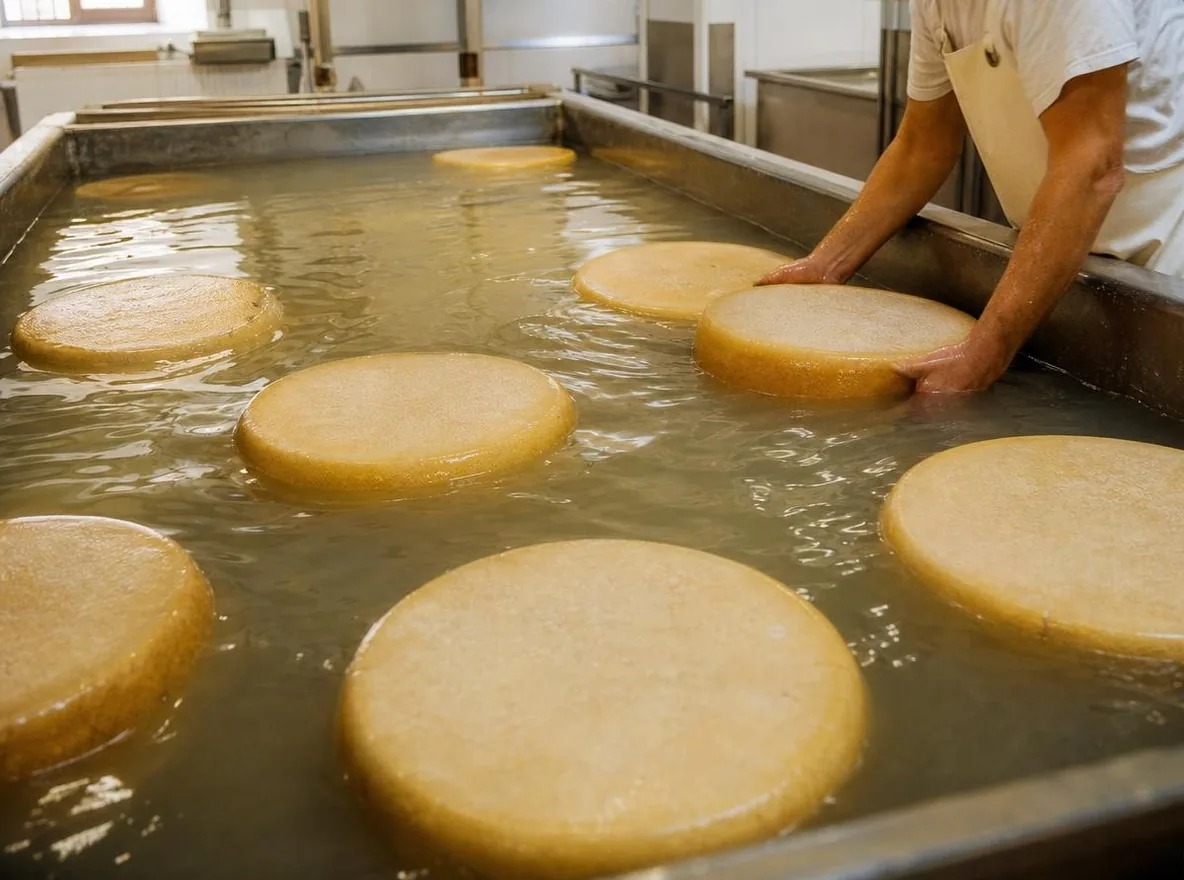
- The brine — This is where the salt goes in. The rules do not fix a number of days in brine, so be wary of anyone who quotes one.
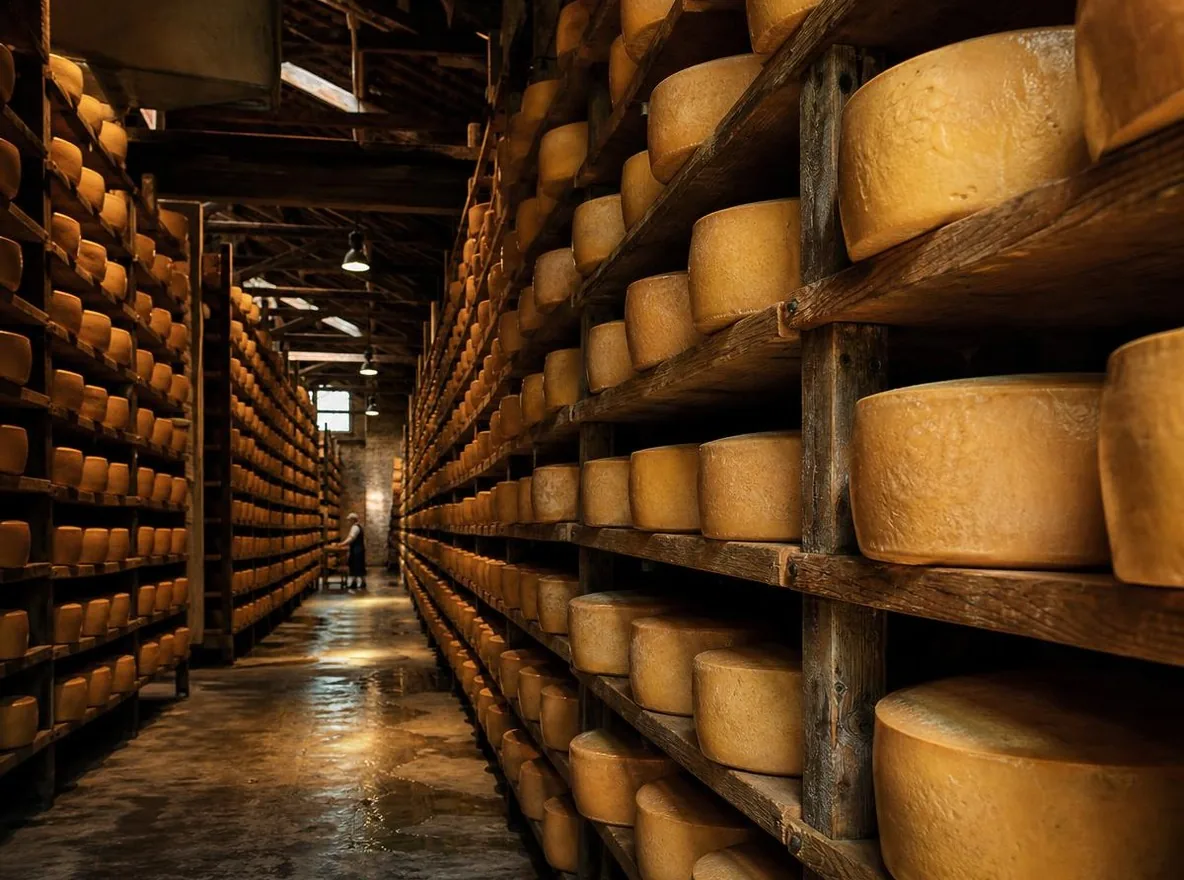
- The aging warehouse and the battitore — Twelve months minimum on the shelves, no maximum. At 12 months the battitore tests every wheel with a hammer, about 10 seconds each, and the ones that pass get the Consorzio’s oval fire-brand.
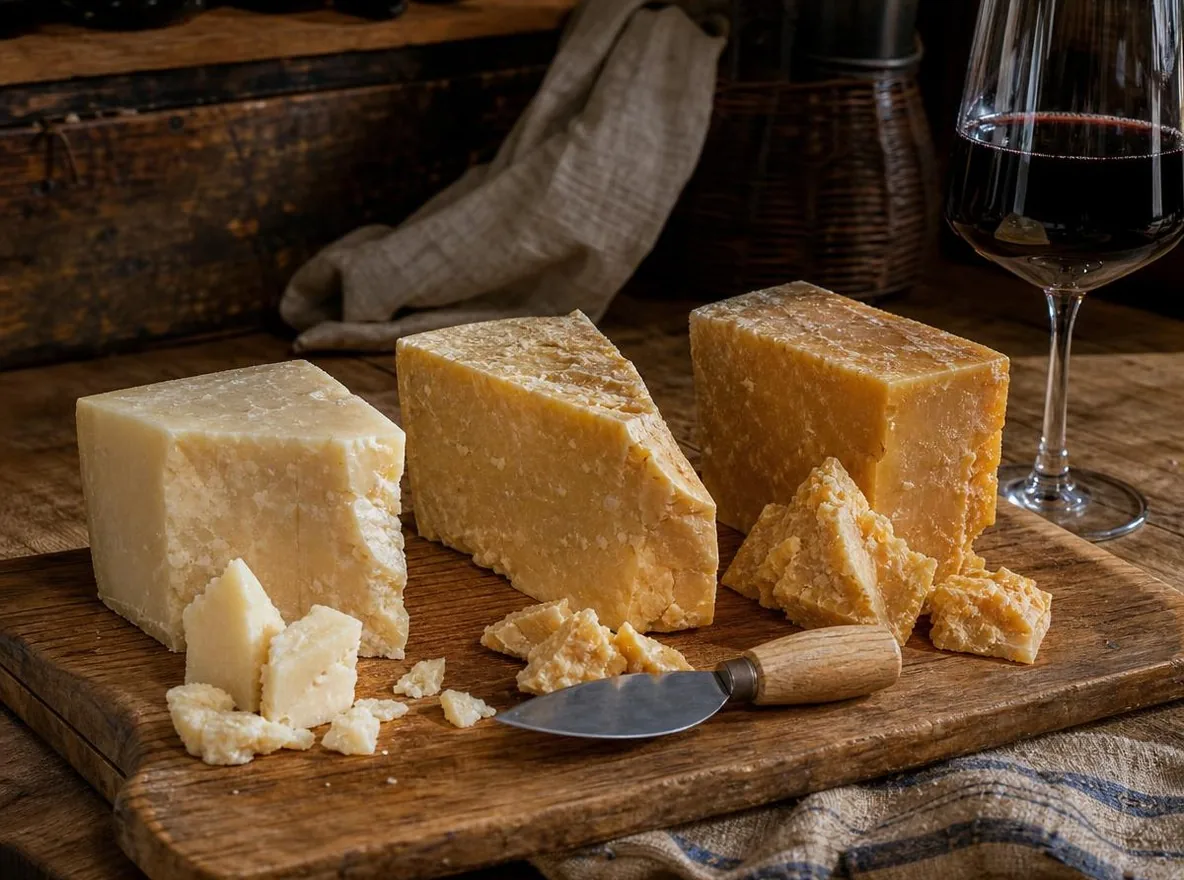
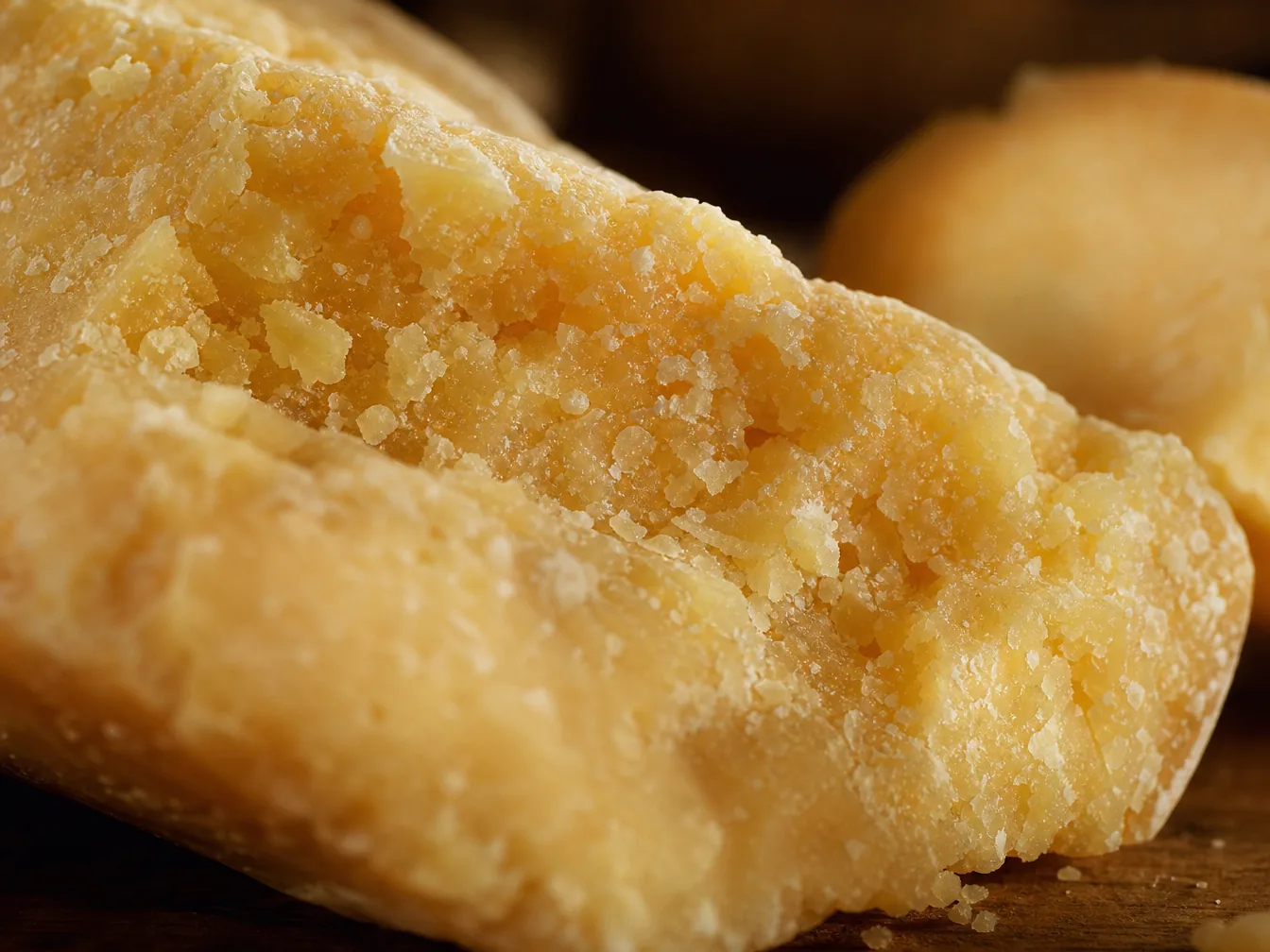
- The tasting — Usually several ages side by side. Young cheese tastes of milk and yoghurt; by 30 to 36 months it is grainy and nutty, with white crystals that are an amino acid, not salt.
A direct visit runs 45 minutes to 2 hours. Turn up at 11 and the first four steps are already over, which is why the hour matters more than the ticket. The whole process at more length is on how Parmigiano Reggiano is made.
Before you book anything
Decide car or no car
With a car, book a dairy direct and drive. Without one, you have the line 23 bus to Ugolotti, or a tour that includes transport. Read each listing for that one line.
Use the Consorzio’s page
“Book a guided tour” on parmigianoreggiano.com lets you filter by province, language and date. Italian and English are the usual languages.
Take the first slot of the morning
At San Pier Damiani the 9:00 visit shows every stage and the 11:00 one does not include the extraction. 4 Madonne says the same: production is in the morning, and in the afternoon it is explained with a guide and a video.
Book ahead, and check the day
Every dairy I checked needs a booking, from 48 hours to three or four days ahead. Visiting days vary from dairy to dairy, and none that I checked lets you just turn up.
If you don’t drive, this is the one I would book
The Parma cheese and ham tour, €135 per person, 4.9 from 954 reviews and the most booked of the seven. It includes pickup and drop-off, runs about four hours, and pairs a working dairy with a Parma ham producer; gratuities are extra. You are paying for the ride and the second stop. For a cheaper start with your own transport, the €44 farm tour is closer to a direct visit, and my full write-up of this one is here.
The farm tour, the most-booked tour, or the full day?
Three prices, and the difference between them is mostly the road, not the cheese.
| From Milk to Wheels: Parmesan Tour & Tasting in Parma | Most bookedParma: Parmigiano Production and Parma Ham Tour & Tasting | Parma: Cheese, Ham, & Balsamic Vinegar Tour with Tastings | |
|---|---|---|---|
| Price | €44 per person | €135 per person | €183 per person |
| Transport | Not included. The listing says a 15-minute taxi or 30-minute bus | Pickup and drop-off included | Not stated on the listing |
| What you visit | A dairy near Parma | A Parmigiano dairy and a Parma ham producer | Cheese, ham and balsamic producers |
| Length | About 2 hours | About 4 hours | Not stated |
| Worth knowing | Three ages tasted. In effect a direct visit you reach yourself | Guide, entry and tasting included; gratuities not | Private guide and headsets |
| Rating | 4.9 (262) | 4.9 (954) | 4.9 (317) |
| View → | Book this → | View → |
Photo Gallery
The morning at a dairy, vat to tasting
Illustrations of the stages a visit walks you through, in the order you meet them. The first three are the ones you miss if you arrive late.
All seven tours, cheapest first
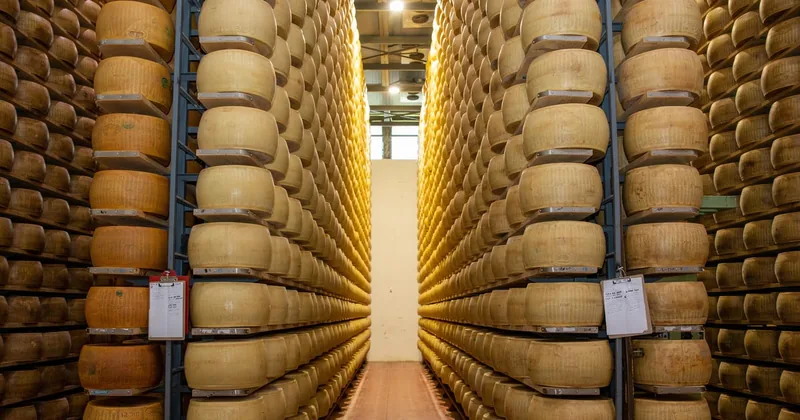
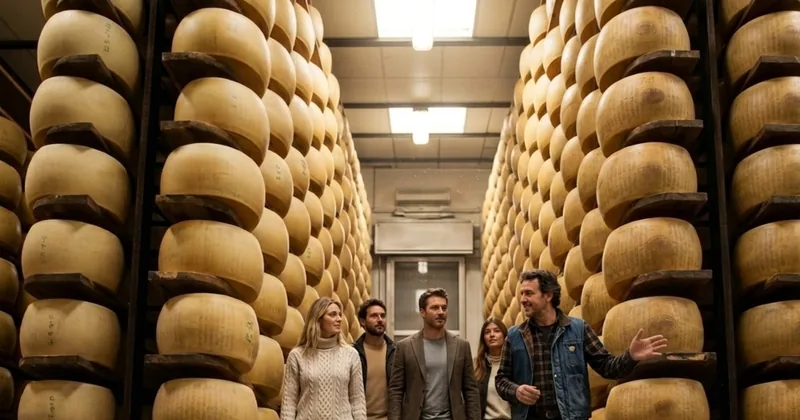
The €135 Parma cheese and ham tour includes pickup and the €198 tour a transfer from Bologna. The €44 farm tour leaves getting there to you. For the others, check the listing. All prices are per person.
 Cheapest
Formigine: Parmigiano Tour with Full Food Tasting
 Cheapest near Parma
From Milk to Wheels: Parmesan Tour & Tasting in Parma
 Dairy only
Parma: Traditional Cheese Factory Visit with Tasting
 Most booked
Parma: Parmigiano Production and Parma Ham Tour & Tasting
 Best rated
The Secrets of Parmigiano Reggiano & Balsamic Vinegar Tour
 Cheese, ham & balsamic
Parma: Cheese, Ham, & Balsamic Vinegar Tour with Tastings
 From Bologna
: Parma Cheese & Ham Factory Tours and Tastings
What reviewers said
Six reviews from six of the tours on this page. The first one is my whole argument.
Go early. You see cheese come out of vats.
Just outside Parma. Our guide Loriso took us through the whole process.
Our guide was Pietro, and the cheese was so good.
Loris was passionate and knowledgeable, and used his connections.
No one else on the tour besides the two of us, and a very knowledgeable guide.
We enjoyed the countryside on the way to Parma, and our guide was knowledgeable and outgoing.
Ratings and review counts are as GetYourGuide showed them on 28 September 2026. Read my full tour reviews ›
Things people ask me before a dairy visit
Four questions that come up often and that no ticket page answers.
Is the museum in Soragna a working dairy?
No. The Museo del Parmigiano Reggiano in Soragna is a museum inside an old dairy, not a working one. The Consorzio’s booking page also lists a Soragna dairy visit, so check that what you book is a working dairy and not the museum. How to find and book the real thing is on visiting without a tour.
Do I need warm clothes for the aging room?
Not necessarily. The rules set a summer minimum of 16 °C in the warehouses, so they are not the cold rooms people expect. What you may be asked to wear is a disposable hair cap, as at Ugolotti, or protective gear in some production rooms.
Can I bring children, or come with a wheelchair?
It depends on the dairy. 4 Madonne at Lesignana lets under-6s in free, charges €12 for ages 6 to 10, and describes itself as barrier-free; you watch production through viewing windows. San Pier Damiani asks wheelchair users to contact it first. For other dairies I could not confirm access, so ask when you book.
What about December?
Check twice. For Ugolotti the Consorzio listing says Sundays only in December, while the dairy’s own site says visits are suspended all month. I could not resolve which is right. Whether dairies work on Christmas Day I could not confirm either. Which days and hours to aim for.
Parmigiano Reggiano, explained
My grandfather was a casaro, a cheesemaker, at a small dairy in the hills south of Parma, and the first thing I learned about the job was that it starts in the dark. You went at dawn or you saw nothing. That is still the most useful thing I can tell anyone who wants to watch Parmigiano Reggiano being made, and it matters more than which tour you pick.
You can book the dairy yourself
The Consorzio del Formaggio Parmigiano Reggiano has its own booking page. You filter by province, language and date, pick a dairy and pay the dairy. On the listings I read in September 2026 most visits with a tasting cost €15 to €25, an extended tour about €35, and a visit with a tasting lunch about €50.
Two examples near Parma, and I mean examples, not a ranking. Caseificio Ugolotti, on the east edge of the city, lists an English visit from €23, mornings only, with a tasting of 12, 24 and 36 months. Montecoppe, in the Boschi di Carrega park south-west of town, does a two-hour tour from €35. Every dairy I checked needs a booking: 48 hours to three or four days ahead for individuals, a month for groups at 4 Madonne. Single travellers at Ugolotti have to contact the dairy directly. And visiting days vary. Some dairies take visitors every day by reservation, some only on certain days, and according to a Consorzio press release from May 2026 only 15 of them guarantee visits all year. How to book direct, step by step.
Why 9am decides what you see
The production rules say the curd work must be finished by the end of the morning, and each copper vat is used once a day. The moment worth the trip is the extraction: the cheesemakers lift the mass out of the vat in linen cloths, cut it in two and put each half into a mould. It happens early.
San Pier Damiani, a dairy in San Prospero, puts it plainly. Its 9:00 visit, Wednesday to Sunday, shows every stage; its 11:00 visit on Monday and Saturday does not include the extraction. At 4 Madonne the cheese is made in the morning and in the afternoon it is explained with a guide and a video. Arrive late anywhere and you still get the brining room and the aging warehouse, but not the milk, the curd or the wheels coming out. A reviewer on the most-booked tour, John from Germany, put it better than I can: “Go early. You see cheese come out of vats.” Hours and days, dairy by dairy.
Getting there without a car
This is where it gets harder. One dairy is easy: Ugolotti is on TEP city bus line 23, which runs from Parma station (viale Bottego, stop D) to the Via Emilio Lepido stops in 14 to 17 minutes, about every 15 minutes on weekdays according to the 2024 timetable. I could not confirm Sunday service or which stop is nearest the dairy, and roadworks diverted the line from June 2025, so check before you go.
Most dairies are not like that. A local guide on the Rick Steves forum reckoned in 2023 that at least 90% of them are far from any bus or train stop. That is one person’s estimate, not a statistic. Without a car, the question is how you get there by nine.
What a tour adds
The ride, mostly. The most-booked tour, the Parma cheese and ham tour at €135 per person, picks you up, has you at a working dairy while the cheese is being made, adds a Parma ham producer and brings you back in about four hours. If you have no car and are staying in Parma, I think that is money well spent, and it is the one I would book. From Bologna, the €198 tour includes the transfer, though not lunch.
Inside the dairy, a tour shows you what the dairy would have shown you for €15 to €35. And not every tour includes transport: the €44 farm tour near Parma explicitly leaves getting there to you, and its listing suggests a 15-minute taxi or a 30-minute bus. What each price actually buys.
Buying cheese to take home
Every dairy sells from its shop, the spaccio. For a sense of dairy prices, San Pier Damiani’s online shop in September 2026 asked €20 a kilo at 12 months, €22.50 at 24 and €30 at 36. Vacuum packed, a piece keeps about six months at 4 to 8 °C; the Consorzio advises against freezing it.
Where you can take it depends on where you live. Within the EU there is no problem. Great Britain is the one that catches people: since 12 April 2025 you cannot bring cheese in from the EU for personal use, a foot-and-mouth measure still in force at the latest gov.uk update, 9 September 2026. Northern Ireland has different rules. For the US, hard cheese is allowed from any country, but declare it and keep the receipt and the packaging. The rules by country.
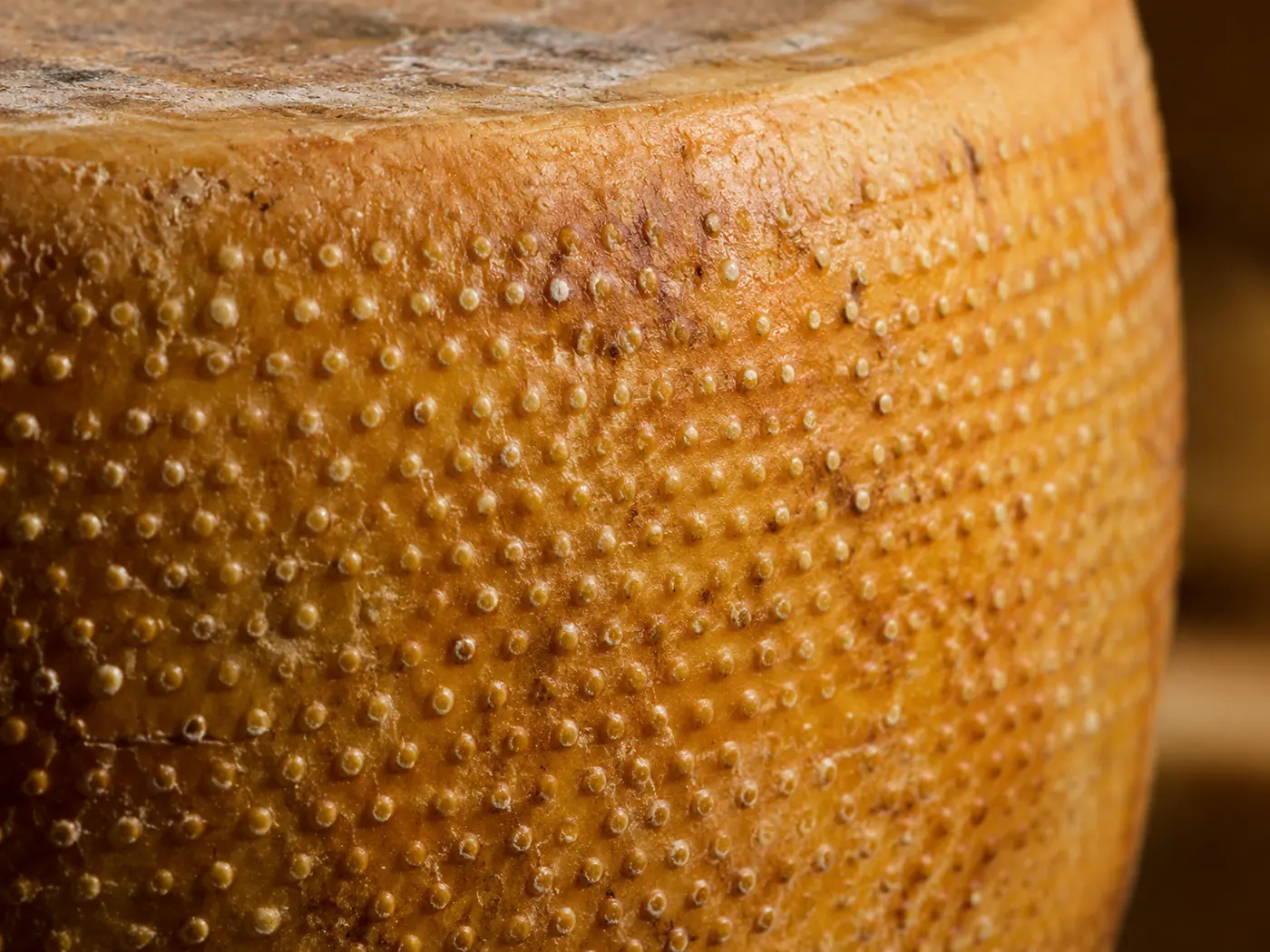
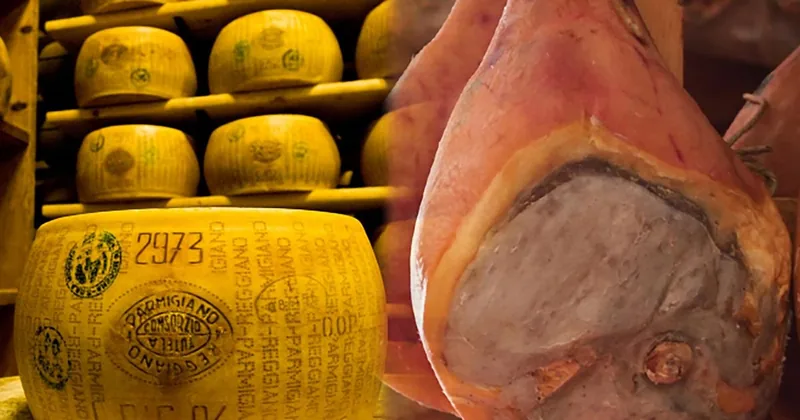
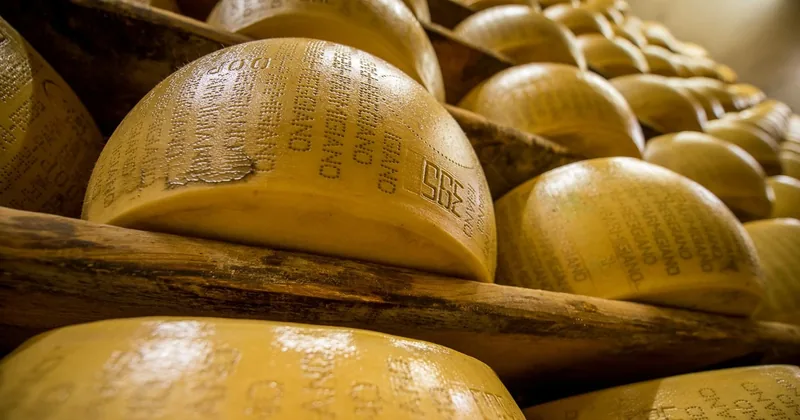
If you buy away from the dairy, look at the rind. The real thing carries the dotted PARMIGIANO-REGGIANO lettering round the side, with the dairy number and the month and year it was made, and the oval fire-brand the Consorzio applies after inspection at 12 months.
So which is it for you?
Choose by where you are staying and whether you drive, not by the cheese. With a car, book a dairy direct for the first slot of the morning. Staying in Parma without one, take the line 23 bus to Ugolotti, or book the tour that collects you. Whichever you do, be there by nine.
Frequently asked questions
Is Parmigiano Reggiano the same as parmesan?
In the EU, yes: the Court of Justice ruled in 2008 (case C-132/05) that “Parmesan” means Parmigiano Reggiano, so a cheese sold as parmesan there has to be the real thing. In the US, no. There parmesan is a generic federal standard, cured for at least 10 months and made anywhere. Parmigiano Reggiano needs at least 12 months, raw milk and calf rennet, and has to come from its zone: Parma, Reggio Emilia, Modena, Bologna left of the Reno and Mantua right of the Po, which is in Lombardy. How to tell them apart on the shelf.
Is Parmigiano Reggiano lactose free?
Yes, naturally. The Consorzio says the lactose is gone within the first 48 hours, so a wheel of any age is lactose free, and galactose is below 0.01 g per 100 g. The short answer, with the figures.
Is Parmigiano Reggiano vegetarian?
No. The rules require calf rennet to set the milk, and nothing else is allowed. You see the rennet go into the copper vats if you arrive early enough. Why there is no vegetarian version.
Can I visit a Parmigiano dairy without a tour?
Yes. The Consorzio runs its own booking page where you filter dairies by province, language and date and book the visit yourself. You do need to book ahead, and you need a way to get there: Caseificio Ugolotti is on Parma’s line 23 city bus, but most dairies need a car. Booking a dairy direct, step by step.
What time should I visit a Parmigiano dairy?
First thing. The cheese is made in the morning and the extraction, when the wheels are lifted out of the vats in linen, happens early. San Pier Damiani says to be there from 9:00; its 11:00 visit misses the extraction. Come in the afternoon and you get the brining room, the warehouse and, at some dairies, a video. Hours and days, dairy by dairy.
Can I take Parmigiano Reggiano home?
Within the EU, yes. To Great Britain, no: bringing cheese in from the EU for personal use has been banned since 12 April 2025 as a foot-and-mouth measure, still in force when gov.uk last updated its page on 9 September 2026. Northern Ireland has different rules. To the US, hard cheese is allowed, but declare it and keep the receipt and packaging. Vacuum packed it keeps about six months. The rules by country.
How much does a Parmigiano dairy tour cost?
Booked direct through the Consorzio, most visits with tasting are €15–25, an extended tour about €35 and one with lunch about €50. The seven guided tours on this site run from €35 to €198 per person. What the extra mostly buys is transport and a ham or balsamic stop; lunch is not included on the €198 Bologna tour. What each price buys.
Still have questions? Email us [email protected]